Health in Nineveh.
From a regional medical hub built up over six decades to a system shattered in three years and now slowly reassembling: the hospitals, medical schools, public-health challenges, environmental hazards, and the long psychosocial aftermath of conflict that together shape the health of nearly four-and-a-half million people in the Governorate.
For most of the twentieth century, Mosul was Iraq's second medical centre after Baghdad — home to the country's second-oldest medical college, a teaching-hospital network that drew patients from across the north, and a public-health establishment that, despite the dislocations of sanctions and the 2003 war, retained its institutional spine. The events of 2014 to 2017 fractured that spine. The destruction was not only of buildings, but of supply chains, clinical referral patterns, training pipelines, and the quiet professional networks on which any health system actually rests. The reconstruction since 2017 has been faster than the worst forecasts and slower than the most basic needs — an honest reckoning with that pace, and with the scale of what is still missing, is the starting point for any account of health in present-day Nineveh.
i. Overview & the legacy of conflict
Before the events of June 2014, the Governorate's healthcare system rested on a tiered architecture inherited from the post-1959 Iraqi public-sector model: a network of primary healthcare centres at the sub-district level, district hospitals serving each qaḍāʾ, and large general and specialised teaching hospitals concentrated in Mosul itself. The city of Mosul was estimated to have around 3,500 hospital beds in the early 2000s, distributed across thirteen public hospitals and a smaller number of private clinics. Surgical, oncological, paediatric, obstetric, and tertiary cardiac services were all available locally; only the most complex tertiary cases were routinely referred to Baghdad.
The Daesh occupation of Mosul from June 2014 to July 2017, and the urban warfare that ended it, devastated this system. Of Mosul's thirteen public hospitals, nine were significantly damaged during the campaign — in some cases by deliberate targeting, in others by airstrikes against entrenched fighters, in others by long-term neglect under occupation. The Al-Salām hospital in eastern Mosul was reduced to rubble after a Daesh ambush of advancing Iraqi forces in late 2016. Al-Khansāʾ Pediatric Teaching Hospital, the city's flagship children's facility, was found by re-entering medical teams to be heavily damaged, supplies looted, equipment stripped or sabotaged. Ibn Sīnā Teaching Hospital, the largest tertiary facility in the Governorate, was rendered effectively non-functional. Many smaller primary-care centres in the western half of the city were destroyed.
The aggregate effect on bed capacity is starkly summarised in the figures cited consistently by international observers. By the time formal liberation was declared in July 2017, the city's bed capacity had collapsed from approximately 3,500 to fewer than 1,000. For a returning population estimated at around 1.8 million in 2018, this corresponded to roughly five beds per ten thousand population — half the Sphere humanitarian-emergency minimum and substantially below the World Health Organization's recommendation of three beds per thousand. Capacity has recovered slowly but unevenly since: as of mid-2026, working bed capacity in Mosul stands at approximately 1,500 beds, with significant new investment in the pipeline.
Beyond the buildings, the human cost was substantial. A significant share of Mosul's medical workforce was displaced or emigrated during the occupation. The College of Medicine at the University of Mosul was forced into exile to alternative campuses in Kirkuk, Zakho, and Duhok between 2014 and 2017; its buildings on the right bank were destroyed during the campaign of liberation. Iraqi doctors, nurses, pharmacists, and laboratory technicians who left the city during this period have only partly returned: the workforce remains under-staffed in several specialities, particularly oncology, paediatric surgery, and mental health.
ii. The hospital network
Mosul's hospital network is concentrated on the right bank of the Tigris, in the area historically known as the al-mujammaʿ al-ṭibbī (the Medical Compound) immediately adjacent to the College of Medicine. The Compound traditionally housed several major teaching hospitals: Ibn Sīnā Teaching Hospital (the largest tertiary general hospital, founded in the 1960s), Al-Jumhūrī Teaching Hospital (general medicine and surgery), Al-Khansāʾ Pediatric Teaching Hospital (paediatrics, founded 1969), Al-Salām Teaching Hospital (general medicine), and Ibn al-Athīr Pediatric Hospital (paediatrics, also founded in the late 1960s). Specialised facilities have included Al-Batūl Maternity Hospital (obstetrics and gynaecology), Mosul General Hospital, the Mosul Cardiac Centre, and the Al-Shifāʾ Hospital.
The reconstruction of this network has been a major focus of post-2017 international engagement. Ibn al-Athīr Pediatric Hospital, the only paediatric hospital in Mosul, was rehabilitated by the United Nations Development Programme through the Funding Facility for Stabilization, with German funding through the KfW Development Bank, and re-opened with capacity restored to approximately 261 beds, serving roughly 50,000 children annually with a catchment of some 500,000. Al-Khansāʾ Pediatric Teaching Hospital was rebuilt in stages, initially with Médecins Sans Frontières (MSF) running the emergency department and feeding programmes from late 2017 until handover to the Iraqi Ministry of Health; MSF treated 159 severely malnourished children there in three months. Al-Wahda Hospital in eastern Mosul was opened by MSF in 2018 to extend services to under-served neighbourhoods.
The largest single project in the pipeline is the new Ibn Sīnā Hospital, currently under demolition-and-rebuild on its original 100,000 m² site. The new facility, scheduled for completion in mid-2028, is designed for a 600-bed capacity with 24 operating theatres, an extensive outpatient and consultative facility, modern radiology including MRI, dedicated staff residences, and a helipad for emergency air transport. Its catchment population is officially specified as the more than four million residents of Mosul and surrounding districts.
Outside Mosul, the picture is more uneven. Sinjar General Hospital, badly damaged in 2014, currently operates from a "tiny alternative location" with about 53 beds, against a designed capacity of 130. Sinūnī Hospital in northern Sinjar is operational. The hospital network in Tal Afar, Hamdaniya, Tilkaif, and Sheikhan is functioning at varying capacities; Hatra and Ba'aj districts remain less well served. Across the Governorate, primary healthcare centres at the sub-district level — the front line of routine care, immunisation, and antenatal services — have been reconstructed unevenly, with rural and recently-returnee areas particularly under-served.
iii. Al-Hayat International Hospital — Teaching Hospital of Al-Hadba University
In a development with material implications for both Mosul's hospital network and the city's medical-education capacity, Al-Hayat International Hospital (HIH; Mustashfā al-Ḥayāt al-Dawlī, مستشفى الحياة الدولي) — a private tertiary hospital in northern Mosul — has been designated the Teaching Hospital of Al-Hadba University. The hospital will serve as the principal clinical-training site for the University's new College of Medicine, which will open and begin teaching in the academic year 2026–2027.
The hospital. Al-Hayat International Hospital, located in northern Mosul, has emerged across 2024–2026 as one of the most advanced private tertiary-care facilities in northern Iraq. The hospital operates sixteen modern operating theatres built to international standards and runs a clinical estate that includes departments of internal medicine, general surgery, cardiac surgery, obstetrics and gynaecology, paediatrics, ophthalmology, and dentistry — alongside intensive care, neonatal intensive care, diagnostic and interventional cardiac catheterisation, nuclear medicine, interventional radiology, advanced diagnostic imaging and laboratory medicine, and a 24-hour emergency department. The hospital has served approximately 50,000 patients across its services to date and accepts referrals from across the Iraqi governorates and from beyond the country's borders.
In its recent operating history HIH has established several firsts of regional and national significance. In November 2025 it launched the first interventional radiology service in Iraq — minimally-invasive image-guided treatment of vascular and oncological conditions that previously required referral abroad. In December 2025 it opened the first cardiac surgery unit in Nineveh Governorate. In February 2026 it opened the first nuclear medicine department in Mosul, equipped with PET–CT. The hospital's diagnostic and interventional catheterisation unit incorporates artificial-intelligence-assisted analysis for the diagnosis and treatment of coronary artery disease. Its neonatal centre has managed extremely-low-birth-weight preterm infants, including a documented case of survival to discharge of an infant born at twenty-four weeks weighing six hundred grams. The combination — comprehensive secondary and tertiary services across one site — is unusual in northern Iraq, and is the operational basis on which the teaching partnership rests.
The teaching partnership. The designation as Teaching Hospital of Al-Hadba University places HIH at the centre of the city's expansion of medical-education capacity since 2014–2017. For more than six decades following its 1959 establishment, the University of Mosul's College of Medicine — operating in close integration with the Medical Compound on the right bank of the Tigris — was the only undergraduate-medicine programme in Nineveh Governorate, and one of only a handful in Iraq. The launch of a second medical college in Mosul, with HIH as its own dedicated teaching hospital, materially expands the province's capacity to train the next generation of its physicians at a moment when workforce gaps in specialties including oncology, paediatric surgery, neurology, and clinical psychology remain visible across the post-2017 system (§ iv).
The functions of a teaching hospital. Al-Hayat International Hospital's role encompasses the full range of clinical, instructional, and research functions required to support an undergraduate Bachelor of Medicine, Bachelor of Surgery (MBChB) programme: bedside teaching, structured clinical clerkships, supervised patient encounters, formative and summative clinical assessments, and integrated research opportunities for both faculty and students. The hospital's clinical departments will host clinical rotations for College of Medicine students across the latter years of the six-year programme, with cardiac surgery, interventional radiology, nuclear medicine, and the neonatal centre providing teaching environments that are otherwise difficult to access in the province. Senior consultants at HIH will hold dual appointments with the University, combining clinical service with teaching and academic responsibilities on the long-established model of the Mosul Medical Compound's tertiary teaching hospitals.
The wider significance. The launch of Al-Hadba University's College of Medicine in 2026–2027 is the single most significant addition to medical-education capacity in Nineveh Governorate in this generation. Together with the existing College of Medical Sciences (founded as part of the University's expansion in 2024–25), it positions Al-Hadba University as a substantive contributor to the post-2017 reconstruction of Mosul's health-workforce pipeline, alongside the University of Mosul, the Northern Technical University, and the smaller programmes elsewhere in the province. The College's first intake will graduate as physicians in the early 2030s, contributing — in a measurable way — to the long-term recovery of the medical workforce in Nineveh and to the broader recovery of medical service-delivery capacity across the Governorate. The Al-Hayat–Al-Hadba partnership is among the first private-tertiary-hospital / university-college-of-medicine arrangements in northern Iraq.
iv. Medical education and the workforce
Iraq's medical-education system is concentrated in a small number of public universities, of which the College of Medicine at the University of Mosul is the second-oldest after Baghdad. Established on 14 July 1959 — with an inaugural cohort of thirty students — it predates the formal establishment of the University of Mosul itself in 1967 and was, for its first eight years, administered first by the Iraqi Ministry of Health and then by the University of Baghdad. The College's location on a 12,500 m² site in the Medical Compound on the right bank of the Tigris, immediately adjacent to the major teaching hospitals, gave it a teaching-and-clinical integration that was unusual in the region.
The undergraduate Bachelor of Medicine, Bachelor of Surgery (MBBS / MBChB) programme is six years in length, with English as the language of instruction. The College is organised in eleven (sometimes counted as twelve) scientific departments: Medicine, Surgery, Obstetrics & Gynaecology, Paediatrics, Radiology, Family & Community Medicine, Pathology, Microbiology, Biochemistry, Physiology, Pharmacology, and Anatomy. Postgraduate certification leads to the Iraqi Board and the Arab Board, with parallel pathways for academic Master's and PhD degrees in clinical and basic sciences. Total graduate output between 1959 and 1992 exceeded 6,400; cumulative output to 2024 substantially higher.
Sister institutions across the University of Mosul produce other parts of the health workforce. The College of Dentistry, the College of Pharmacy, the College of Nursing, the College of Veterinary Medicine, the College of Medical Technology, and the College of Public Health together cover most of the technical workforce that a tertiary-care system requires. The newer health-related faculties at the Northern Technical University, and the Al-Hadba University's College of Medical Sciences (founded with this institution's wider expansion in 2024–25), supplement the public-sector pipeline.
The 2014–2017 dislocation of the College of Medicine and its sister institutions had immediate and lasting effects on the workforce. After Daesh seized Mosul in June 2014, the Ministry of Higher Education established alternative sites for the University of Mosul at the College of Medicine in Kirkuk and at facilities in Zakho and Duhok. Many faculty members and students relocated; some did not return. The College's buildings on the right bank were destroyed during the 2017 liberation; the institution returned to Mosul in alternative locations on the east bank, while a new campus on the right bank, funded through the Liberated Areas Reconstruction Fund, has been constructed for completion. The recovery of the academic and clinical workforce from this dislocation has been gradual and uneven: certain specialities, notably oncology, paediatric surgery, neurology, and clinical psychology, retain visible workforce gaps.
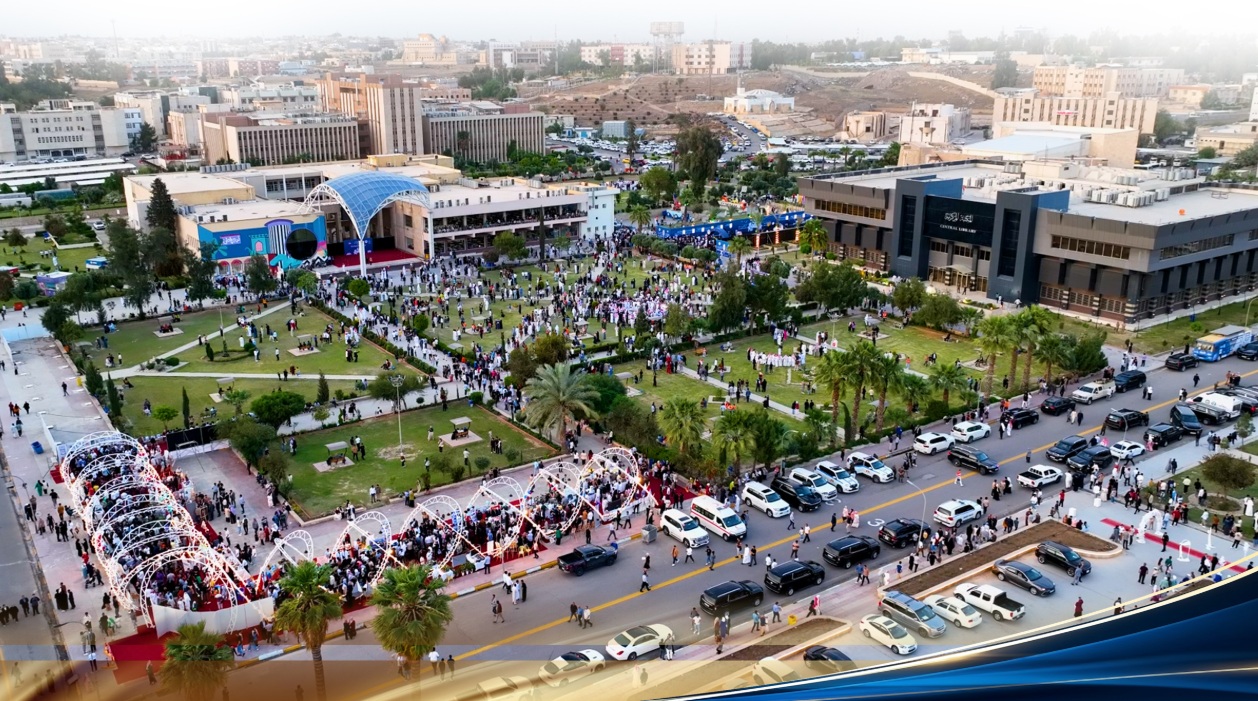
v. Communicable & non-communicable diseases
Like most middle-income countries, Iraq has been undergoing an epidemiological transition: the share of the disease burden attributable to non-communicable diseases (NCDs) — cardiovascular disease, diabetes, cancers, chronic respiratory conditions — has risen steadily over recent decades, while the absolute incidence of communicable diseases has declined under improving sanitation and immunisation. In Nineveh, both halves of this transition are visible, but the post-2014 disruption distorted both pictures.
On the communicable-disease side, the displacement of populations into camps and the partial breakdown of primary-care services contributed to outbreaks of acute diarrhoeal disease, scabies, and respiratory infections in the 2014–2018 period. Cholera, which had been re-introduced to Iraq in the 2007 and 2015 outbreaks, recurred locally in 2022 and 2023; cases concentrated in displacement and returnee areas where water and sanitation infrastructure had been compromised. Cutaneous leishmaniasis (caused by Leishmania major and transmitted by sandflies) is endemic in the Tigris and Khābūr valleys and has shown rising incidence in returnee areas, consistent with the disruption of vector-control programmes. Tuberculosis incidence in Iraq remains low compared with other regional populations but with notable concentration in displacement camps and overcrowded urban quarters. Routine immunisation coverage for under-fives (BCG, DPT-Hib-HepB pentavalent, polio, measles, rubella) was severely disrupted under occupation; catch-up campaigns by the Ministry of Health and WHO have substantially restored coverage, though pockets of low coverage persist in rural Sinjar, western Ba'aj, and parts of Tal Afar.
On the non-communicable side, the major drivers of mortality in Nineveh follow national patterns: ischaemic heart disease and stroke at the top, followed by diabetes and its complications, cancers, and chronic obstructive pulmonary disease. Cancer registration in Iraq is fragmentary, but the incidence of cancers requiring complex multidisciplinary care — breast cancer in women, leukaemia and lymphoma in children, lung cancer in older men — has been substantial enough to generate persistent referral pressure on Baghdad's tertiary centres. The post-2017 reconstruction has not yet restored a fully-functioning radiation-oncology service in Nineveh; chemotherapy services have been re-established in a limited form, principally at Al-Khansāʾ for paediatric haematology-oncology and at adult facilities in Mosul. Diabetes prevalence in adult Iraqi populations is now estimated at around 14 per cent, with significant under-diagnosis; complications, particularly diabetic retinopathy and diabetic foot, place persistent demand on outpatient services that are not always equipped to deliver chronic-disease management.
Maternal and child health indicators have recovered from their 2015–2017 nadir but remain below pre-2014 baselines. The maternal mortality ratio for Iraq stands at approximately 76 per 100,000 live births (national figure, 2023). Antenatal-care coverage has improved with the reopening of Al-Batūl and the rehabilitation of district maternity units. Under-five mortality, infant mortality, and the prevalence of stunting and wasting in children all show measurable improvement since 2018, though again with substantial variation by district and by community: returnee Yazidi children in Sinjar, displaced Sunni Arab children in temporary settlements, and rural Shabak and Christian children in Hamdaniya all show distinct profiles of need.
vi. Mental health and the legacy of conflict
The mental-health consequences of the 2014–2017 events constitute one of the largest unresolved health questions in Nineveh. The first nationally-representative Iraq Mental Health Survey, conducted in 2006–07, found that approximately one in five women and one in seven men were likely to suffer a mental disorder over their lifetime; rates of post-traumatic stress disorder (PTSD) measured in the survey at the time were reported at 3.6 per cent nationally, lower than expected given the conflict environment, and interpreted as evidence of substantial under-recognition rather than low underlying prevalence. The 2014–2017 events compounded an already heavy load.
Population-level studies in Mosul and the wider Governorate after 2017 have documented PTSD prevalence in 14 to 36 per cent of children, with Mosul itself in the higher range; less than ten per cent of affected children received any care. Among adults, depression and anxiety disorders are widely under-diagnosed and under-treated. Among Yazidi survivors of Sinjar, mental-health needs are particularly grave. Studies of Yazidi women and children who survived enslavement and displacement document near-universal exposure to severe trauma, with PTSD, depression, and complex grief reactions affecting majorities. As of 2026, an estimated 280,000 Yazidis remain in Duhok-governorate displacement camps, and approximately 2,700 women and children abducted in 2014 remain unaccounted for — a circumstance that imposes prolonged ambiguous loss on families.
The mental-health workforce in Iraq is small. There are roughly two qualified psychiatrists per 100,000 population at the national level; the figure for Nineveh, after the 2014–2017 dislocation, is lower. Clinical psychology as an independent profession is only recently established. Community-level mental-health services have been partly delivered by international and Iraqi NGOs, with notable contributions from MSF, the Jiyan Foundation for Human Rights (which operates trauma-recovery centres for Yazidi women), Yazda, and the IOM. Specialised mental-health services for survivors of sexual violence are constrained by both workforce shortages and persistent stigma. The integration of mental-health screening and brief intervention into primary-care services is at an early stage.
vii. Environmental health hazards
Several environmental hazards specific to Nineveh have left a measurable health legacy. The most discussed is the Mishraq sulfur fire (described in detail in our Geology entry). The Mishraq sulfur extraction site, 45 km southeast of Mosul, was set ablaze deliberately twice — in June 2003 (during the 2003 war) and again in October 2016 (by Daesh during the Battle of Mosul). The 2003 fire burned for nearly a month and released a quantity of sulfur dioxide reported by the U.S. Environmental Protection Agency as exceeding any previous human-made release of the gas. Acute respiratory effects were widely documented in residents downwind of the fires and among military personnel deployed in the region; longer-term respiratory consequences in the resident population have been less systematically studied. Mishraq has historical significance for both military veterans and resident communities as a documented exposure event.
Several other environmental hazards have generated localised but significant health concerns. The burning of crude-oil wells at Qayyāra in October 2016 by retreating Daesh fighters released large volumes of soot, hydrocarbons, and sulfur compounds into the air and water in the southern Mosul corridor; children in Qayyāra District showed measurable acute respiratory symptoms. Asbestos and other hazardous materials in war debris across Mosul's Old City have been a persistent concern of the UNDP debris-removal programme, with health-and-safety protocols enforced for both removal workers and returnee residents. Unexploded ordnance and improvised explosive devices in returnee areas continue to cause injuries; trauma and burns surgery remains a more substantial part of the surgical workload at Mosul's hospitals than would otherwise be expected. Water contamination from disrupted infrastructure has been linked to outbreaks of acute diarrhoeal disease in returnee neighbourhoods. Depleted-uranium contamination from munitions used in the 2003 war and elsewhere remains a topic of public concern, although epidemiological studies have not consistently established population-level effects in Iraqi civilian populations.
viii. Reconstruction and the road forward
The trajectory of healthcare in Nineveh since 2017 has been one of incremental, externally-supported recovery rather than systemic transformation. The principal funding instruments have been the United Nations Development Programme's Funding Facility for Stabilization (FFS) — through which Germany, Japan, the European Union, and other donors have channelled rehabilitation funds into specific facilities — the Iraqi federal Reconstruction Fund, the Liberated Areas Reconstruction Fund, the WHO's emergency and recovery operations through the Iraq country office, and bilateral assistance from the World Bank, Germany (via KfW), the United Arab Emirates, and others.
The principal achievements of the reconstruction so far — the rehabilitation of Ibn al-Athīr and Al-Khansāʾ Pediatric Teaching Hospitals, the partial restoration of Al-Salām and Al-Batūl, the opening of Al-Wahda by MSF, the gradual return of medical and nursing students to a re-built College of Medicine, the catch-up of routine immunisation, and the slow rebuilding of primary-care infrastructure in returnee neighbourhoods — constitute a measurable but incomplete recovery. Bed capacity in Mosul has risen from approximately 1,000 immediately post-liberation to approximately 1,500 today, with the new Ibn Sīnā Teaching Hospital project (scheduled for 2028) intended to add a further 600 beds and decisively raise the supply curve.
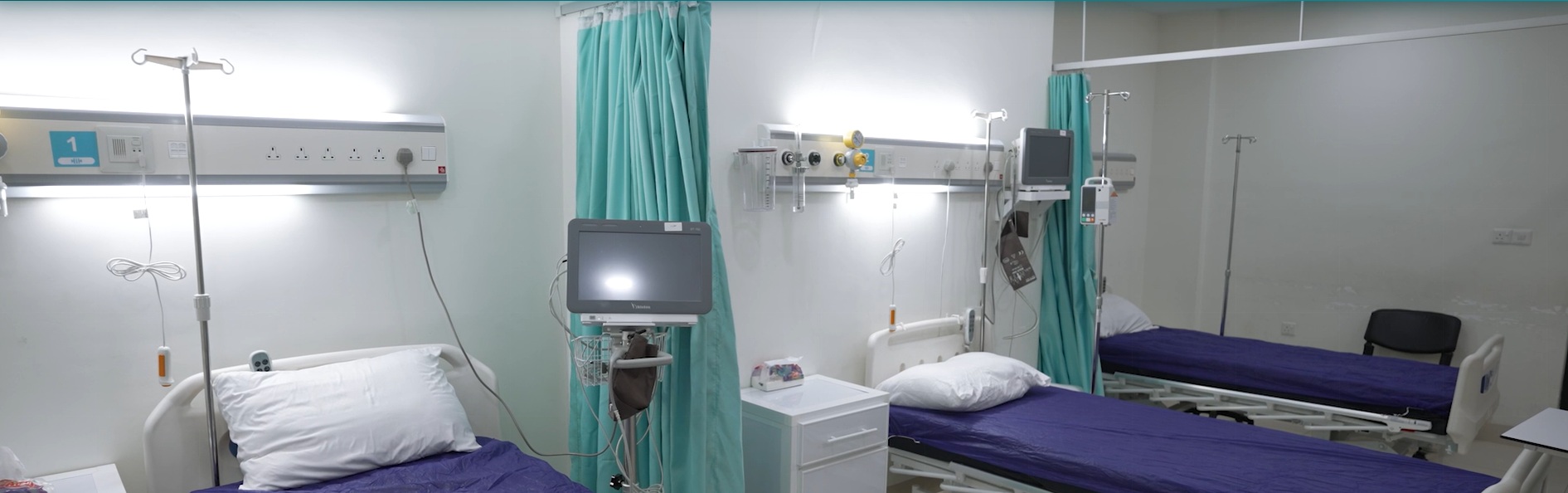
The structural challenges that remain — chronic under-staffing in specialist disciplines, a constrained supply of essential medicines, persistent reliance on out-of-pocket payments at the point of care, the unresolved gap between primary-care networks and tertiary referral, and the deep mental-health needs of populations who have lived through both the occupation and the campaign of liberation — will not be solved by reconstruction projects alone. They require sustained investment in workforce development, strengthening of the public-health information system (a national census has not been completed since 1987), reform of pharmaceutical supply, and patient long-term recovery of trust between communities and institutions of care. The institutional capacity to lead this reform exists in Mosul: the College of Medicine, the College of Public Health, the Nineveh Directorate of Health, and the affiliated NGOs and international partners are demonstrably capable of producing it. What is required is the political and financial commitment to sustain, year-on-year, the slow work of building it back.
References
- Médecins Sans Frontières (2018). "A year on from battle, Mosul's healthcare system is still in ruins."
- The National (2022). "Mosul's hospitals lack medicine and beds five years after battle against ISIS."
- UNDP Iraq (2022). "Taking care of the youngest: Mosul's only pediatric hospital, Ibn al-Atheer, and the University's Kindergarten reopen."
- Iraq International News Agency (2026). "One of Iraq's Largest Hospitals Under Construction in Nineveh" (Ibn Sīnā Hospital project, June 2028 target).
- Doctors Without Borders / MSF USA (2017). "Iraq: Rebuilding a Hospital from the Ruins of the Battle for Mosul" (Al-Khansāʾ).
- Burkle, F.M. et al. (2018). "Notes from a field hospital south of Mosul." Globalization and Health 14:5.
- University of Mosul, College of Medicine (2024). About the College, official institutional website.
- Alhasnawi, S. et al. (2009). "The prevalence and correlates of DSM-IV disorders in the Iraq Mental Health Survey (IMHS)." World Psychiatry 8(2): 97–109.
- Razokhi, A.H. et al. (2006). "Mental Health of Iraqi Children." The Lancet 368(9538).
- WHO Iraq Country Office (2024). Annual Report.
- U.S. Department of Veterans Affairs (2024). Iraq War Exposures: Sulfur Fire (Al Mishraq, Iraq).
- Human Rights Watch (2023). Iraq: Political Infighting Blocking Reconstruction of Sinjar (health-system context).
- Iraqi Ministry of Health (2024). National statistical reports on health-system indicators.
- Jiyan Foundation for Human Rights (2024). Programme reports on trauma services for Yazidi survivors.
- Iraqi Ministry of Planning (2026). Project supervision documents on the Ibn Sīnā Hospital reconstruction.
- Kadhum, O. (2024). "The psychological profile of Iraq: A nation haunted by decades of suffering." Open Health.
- UNICEF Iraq (2024). Country statistics on maternal-child health, immunisation, and nutrition.